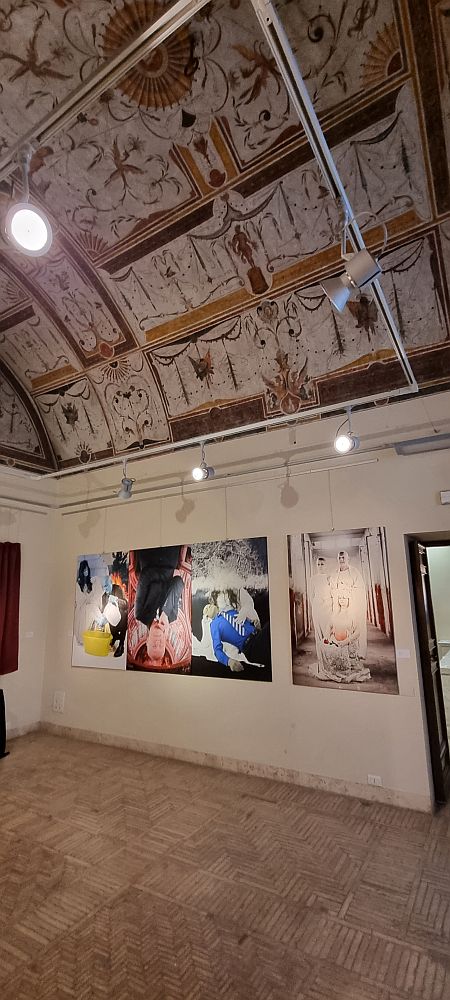
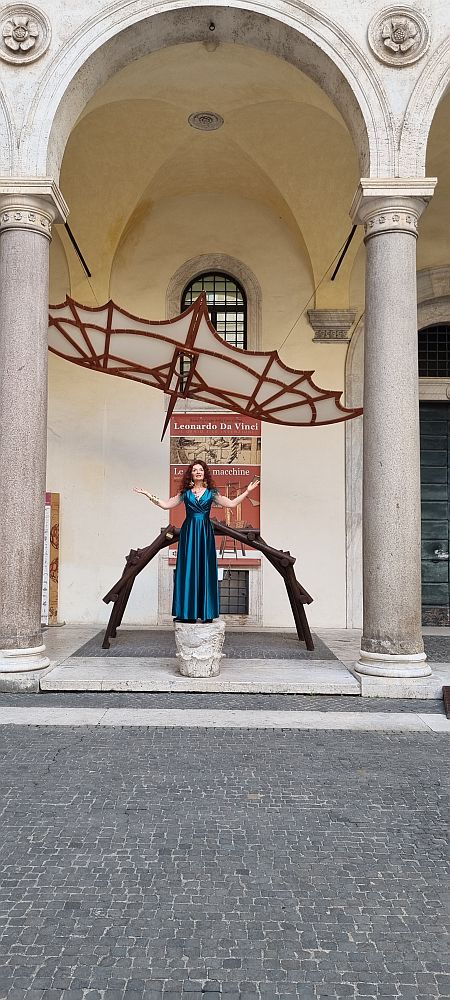
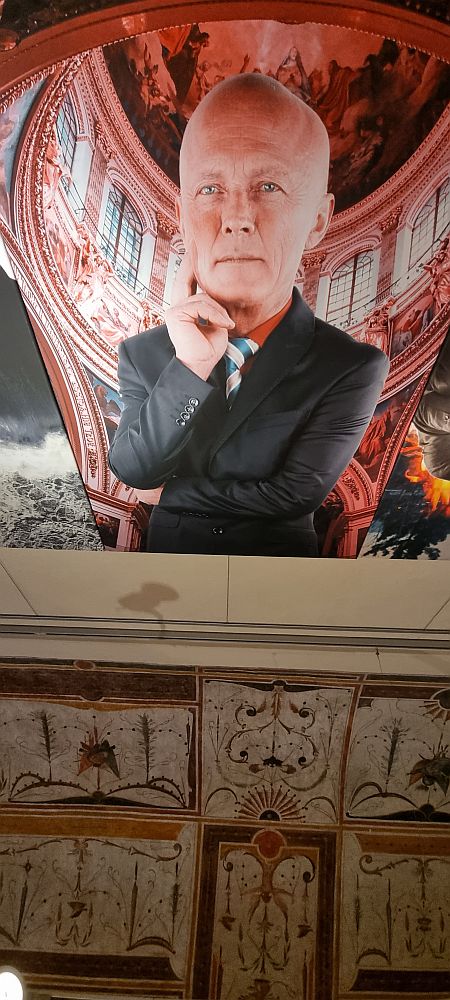
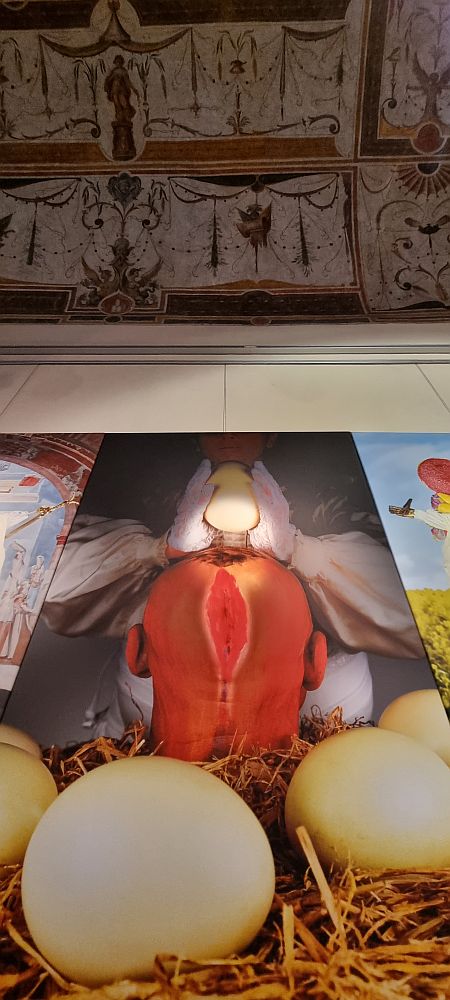
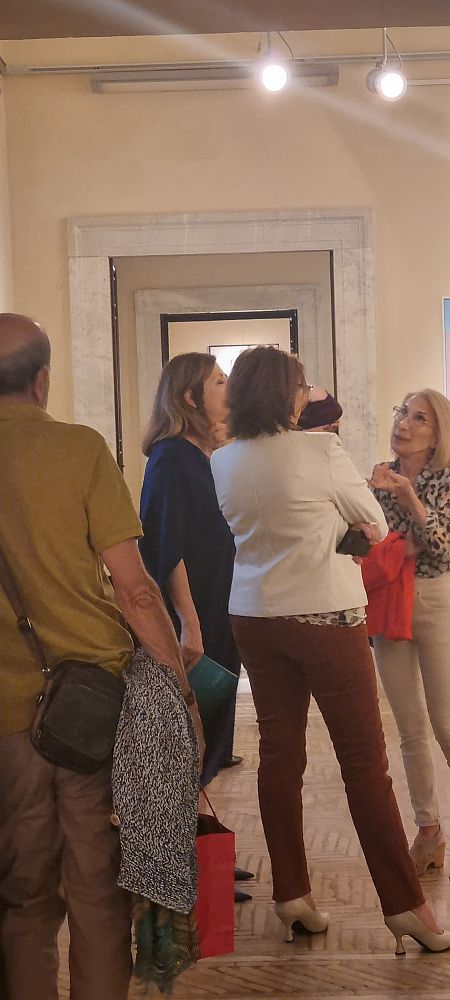
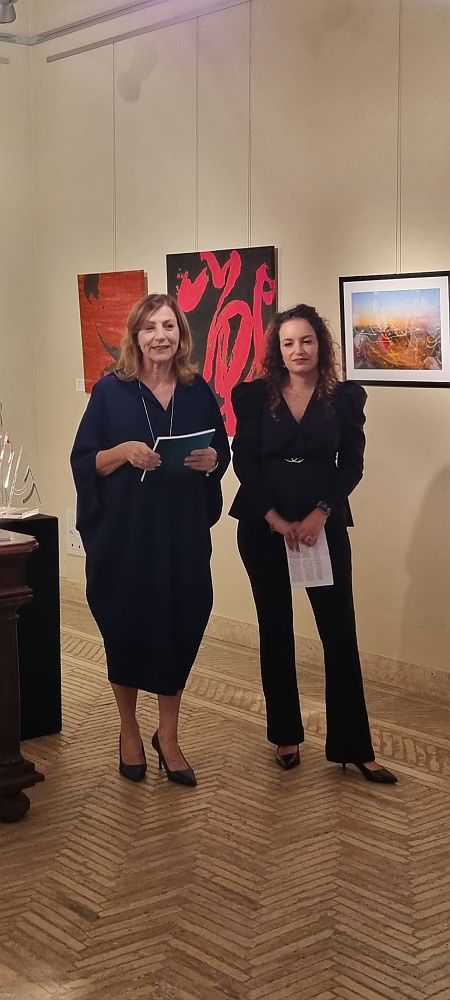
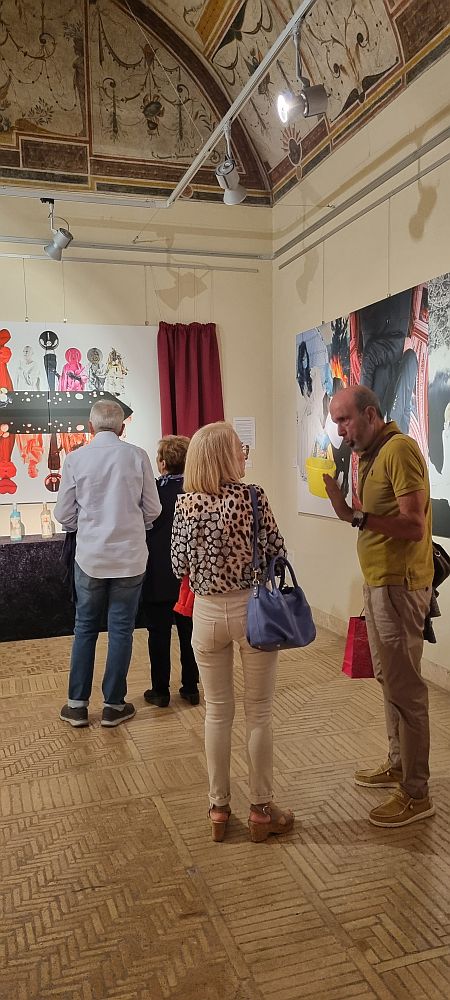
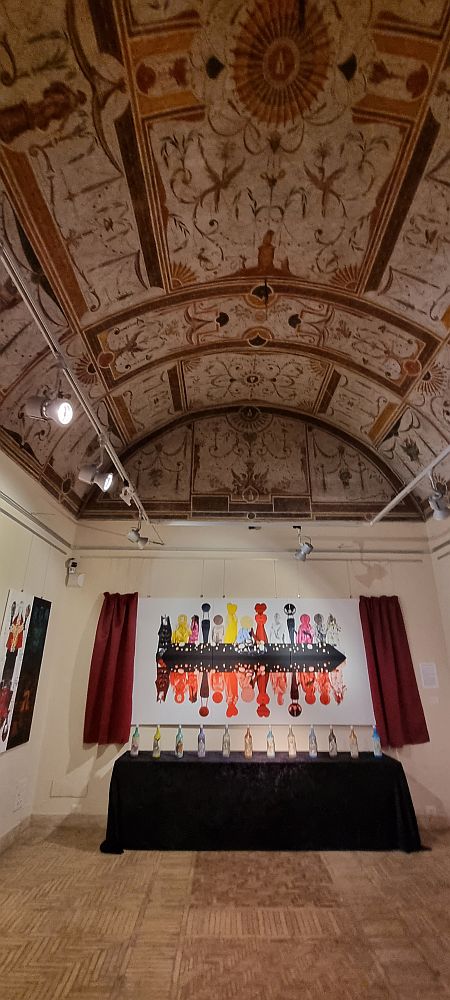
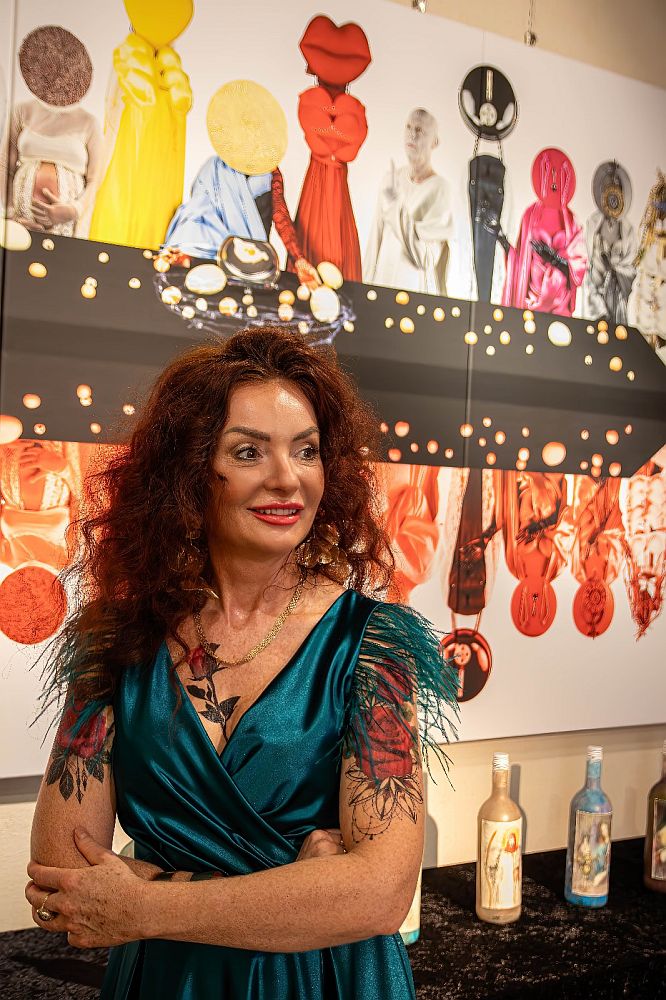
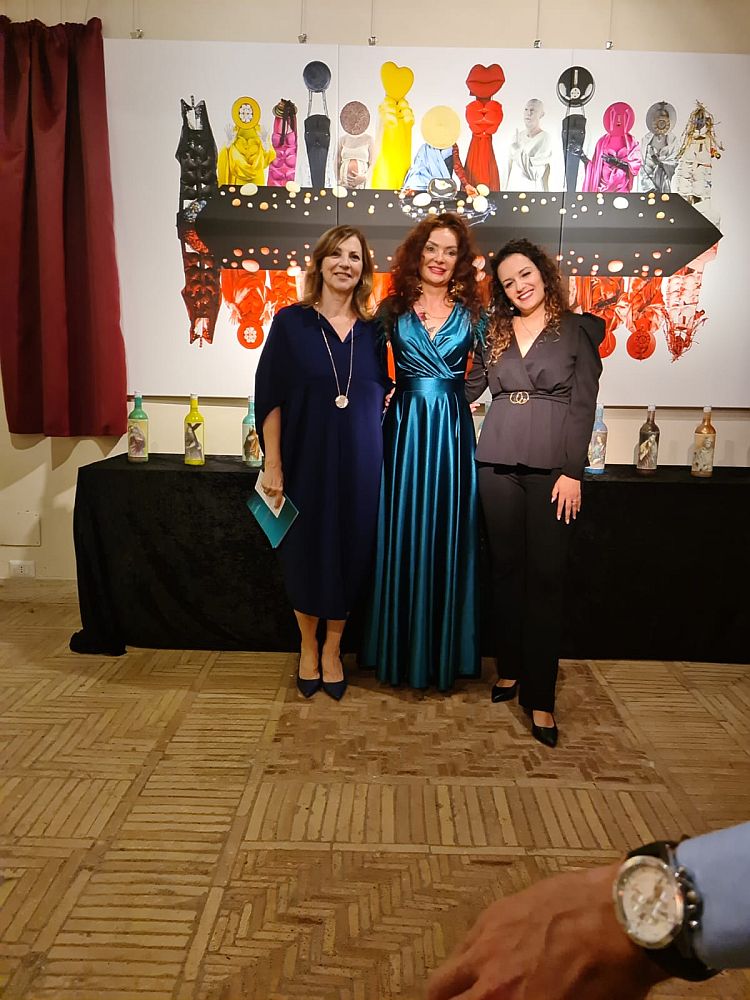
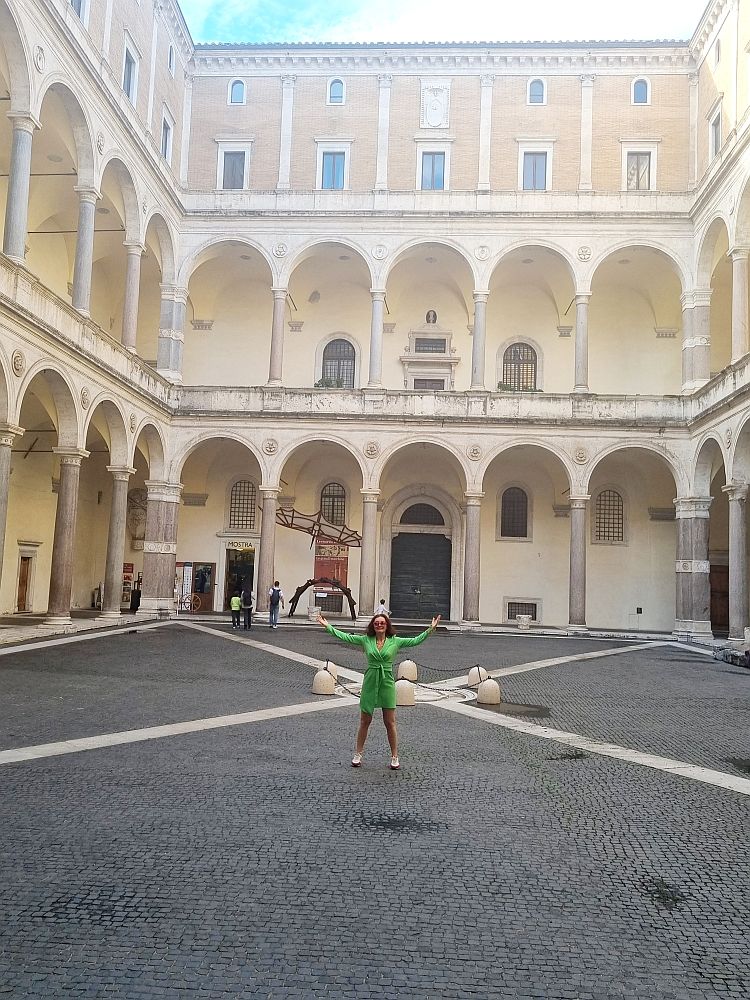
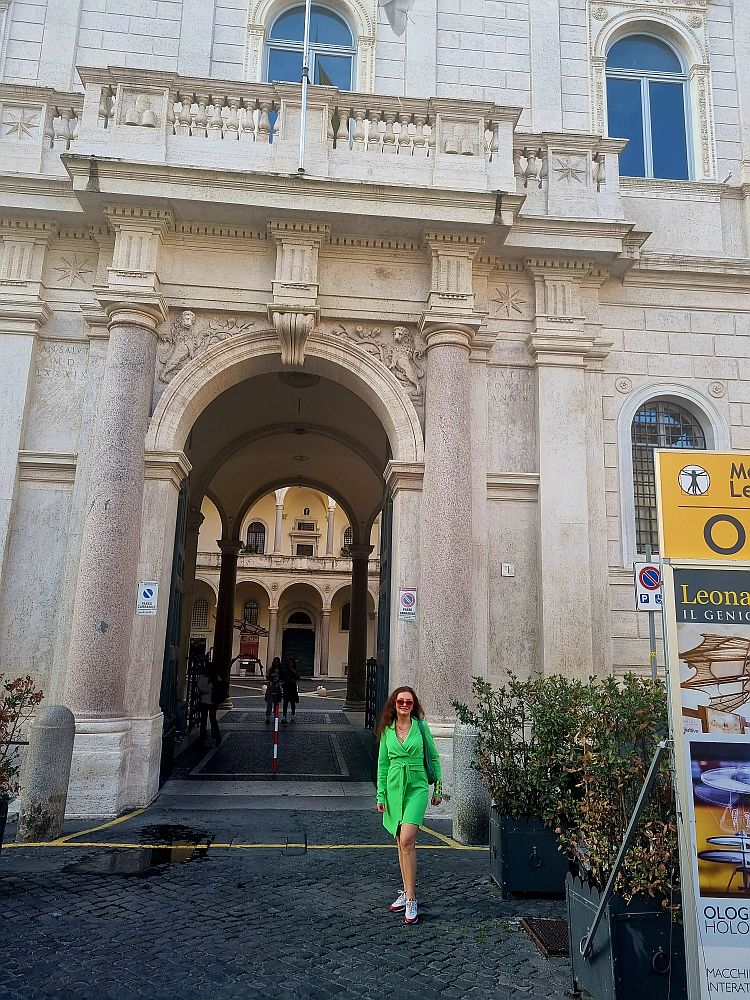
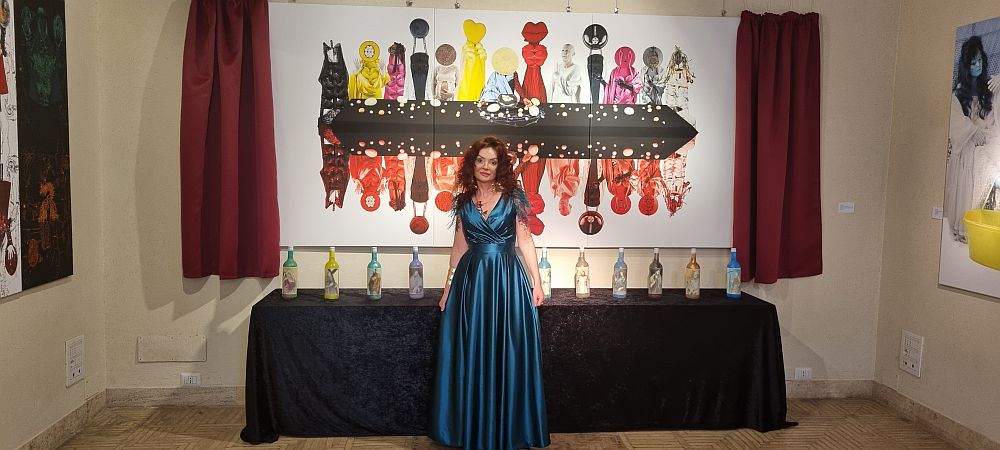
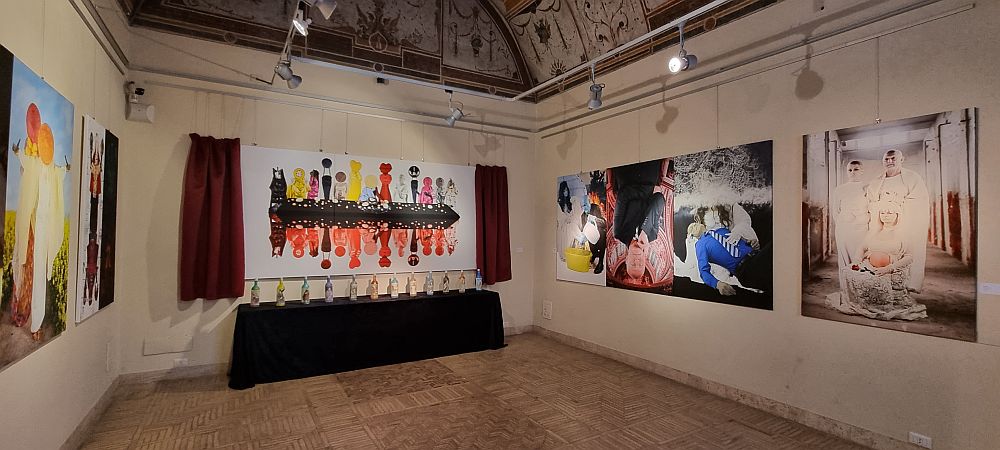
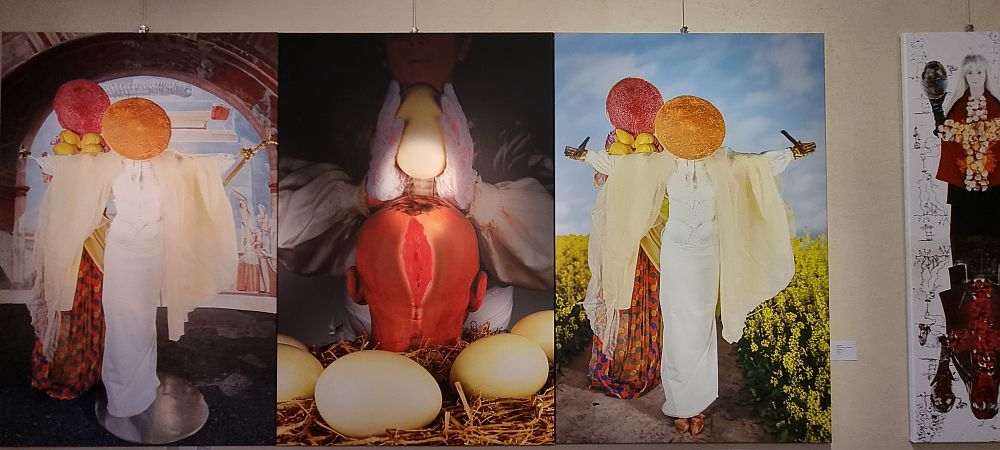
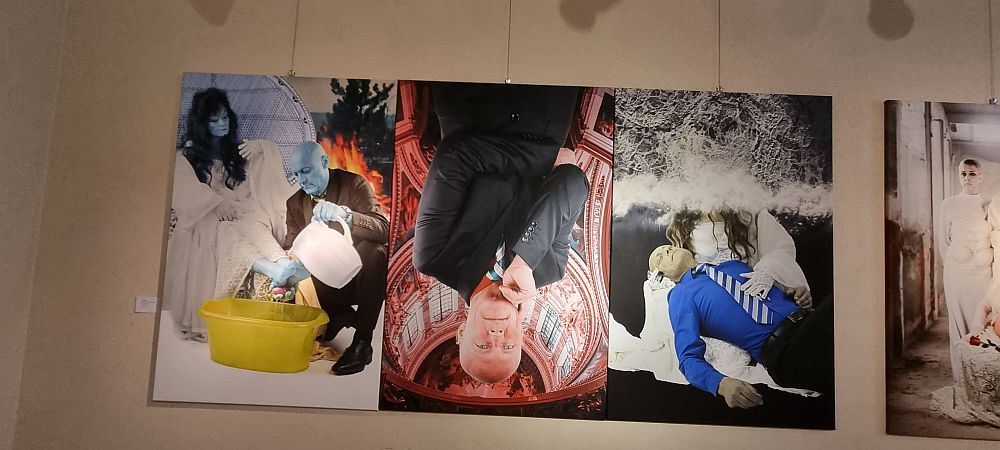
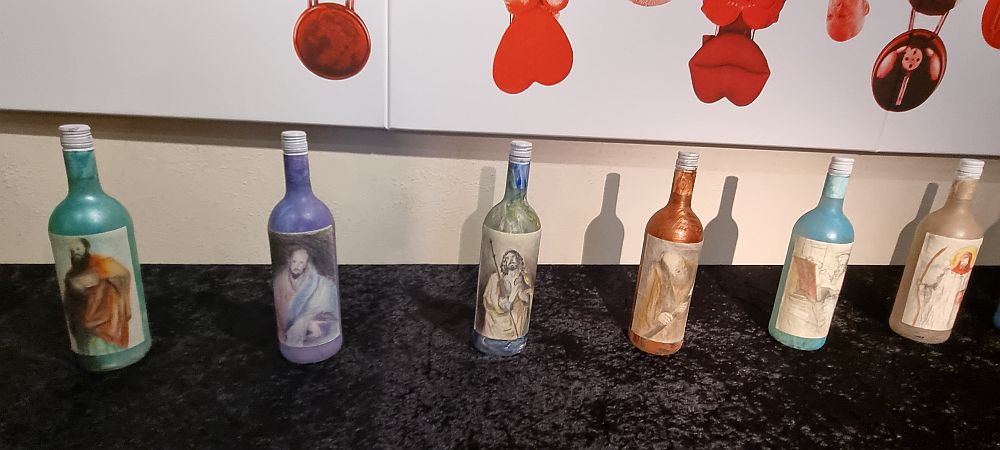
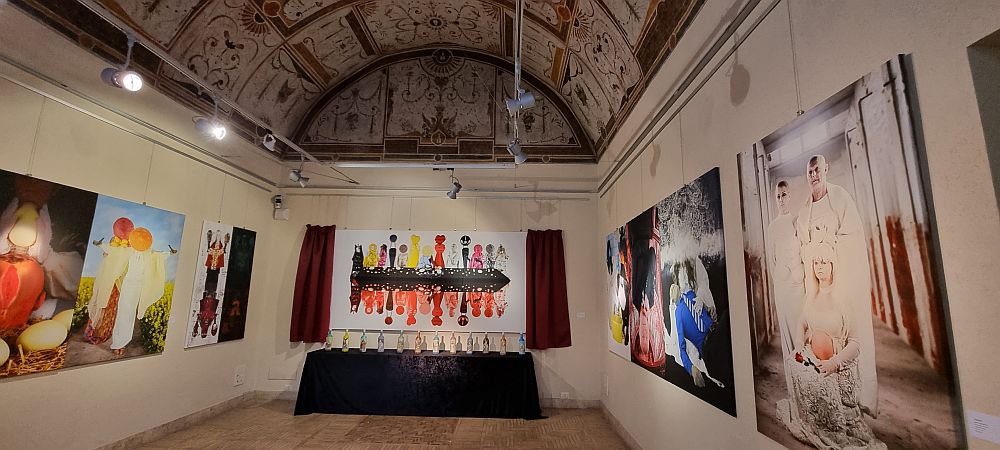
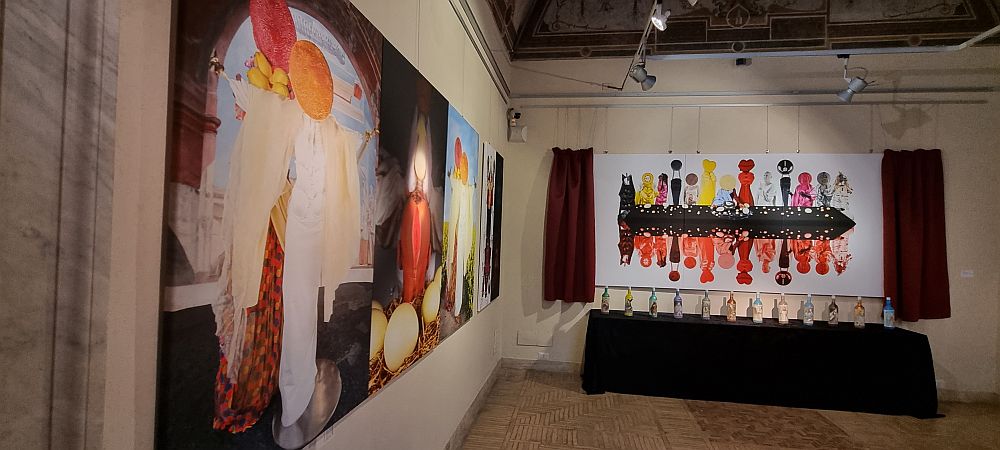
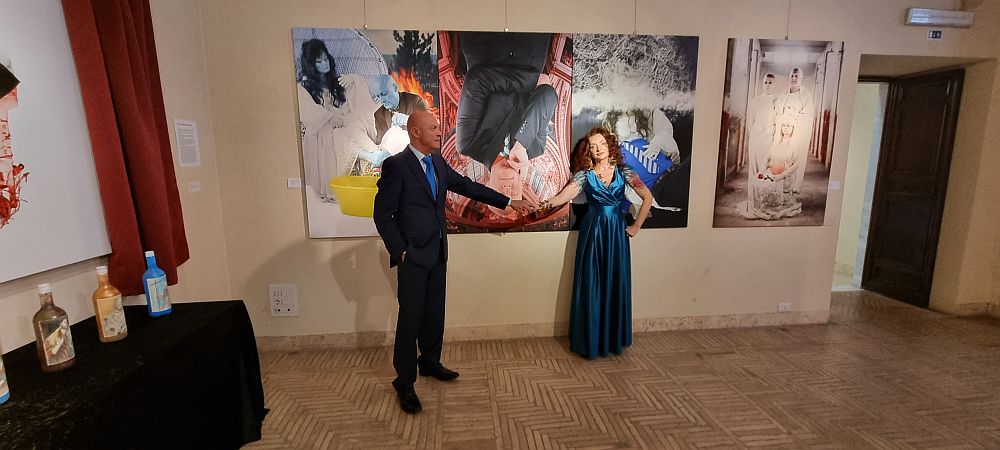
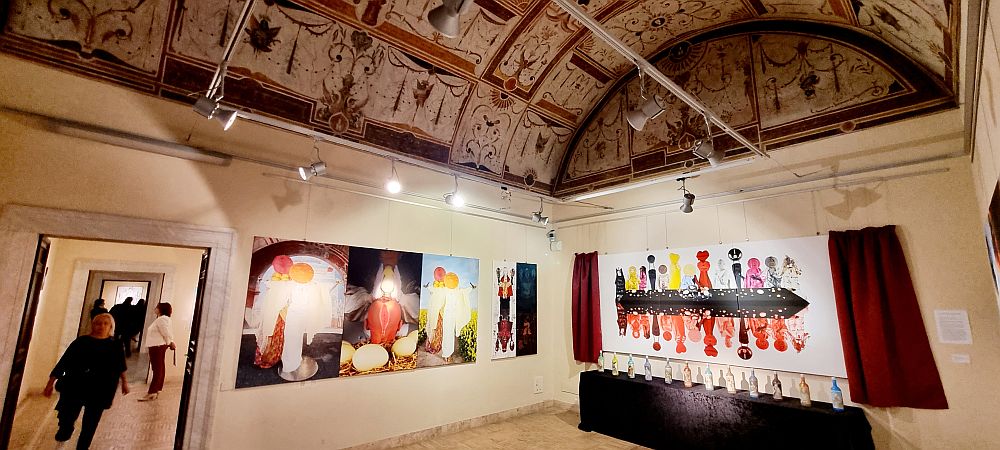
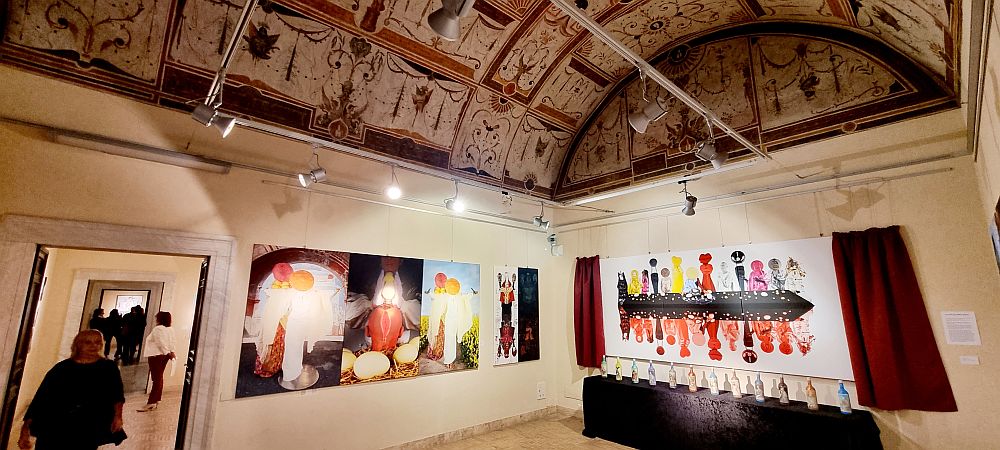
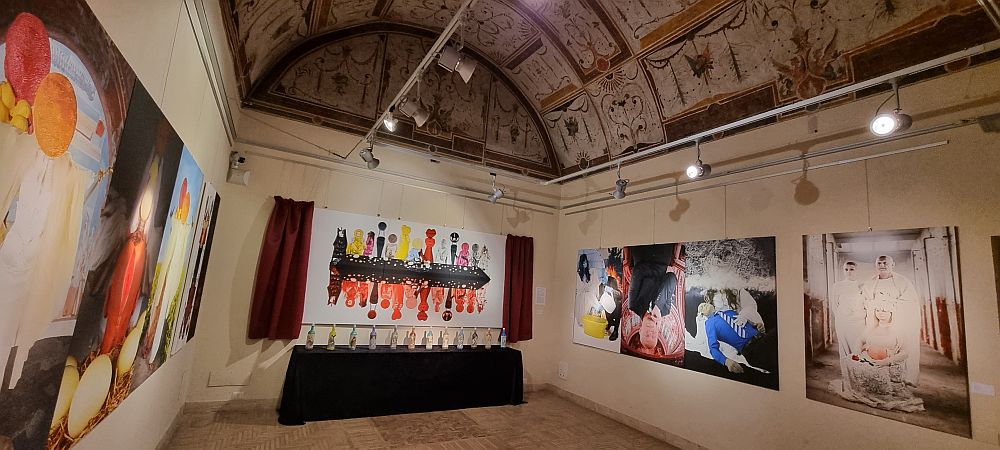
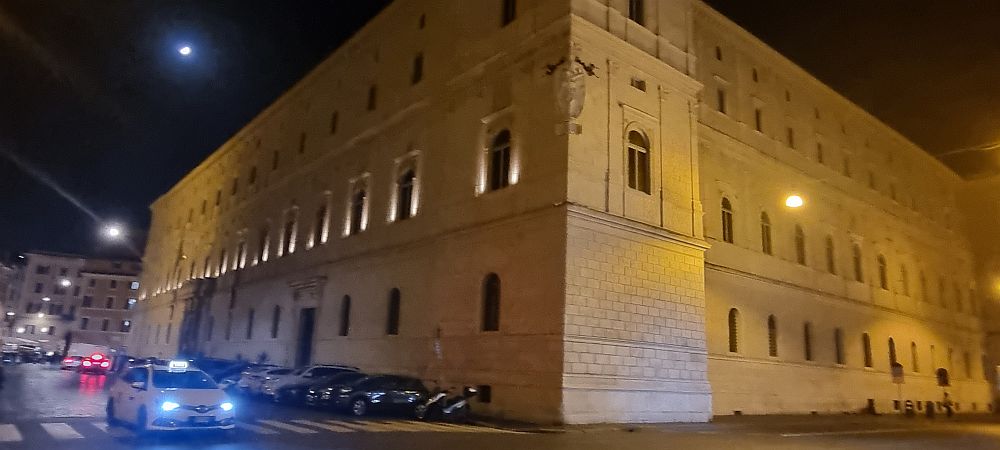
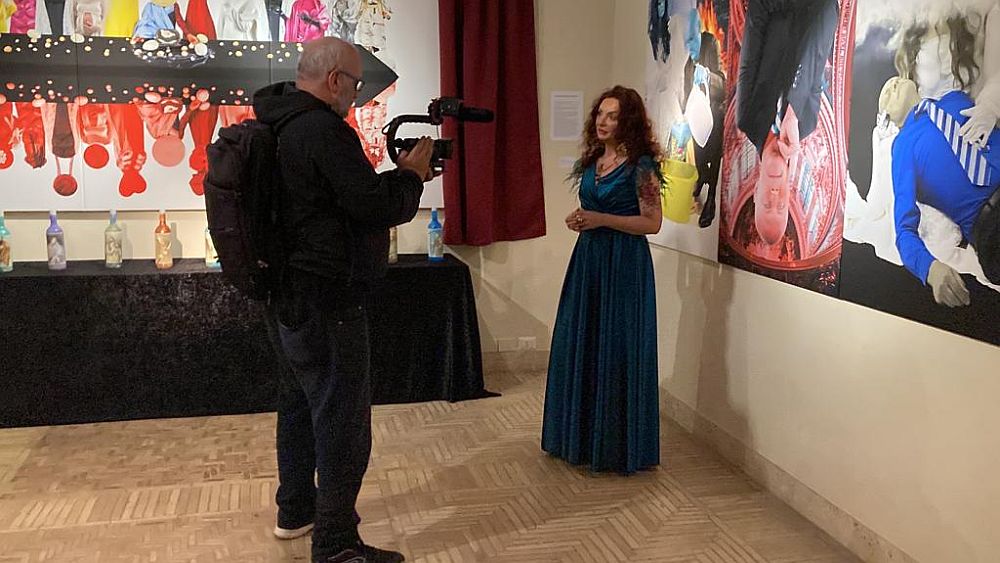
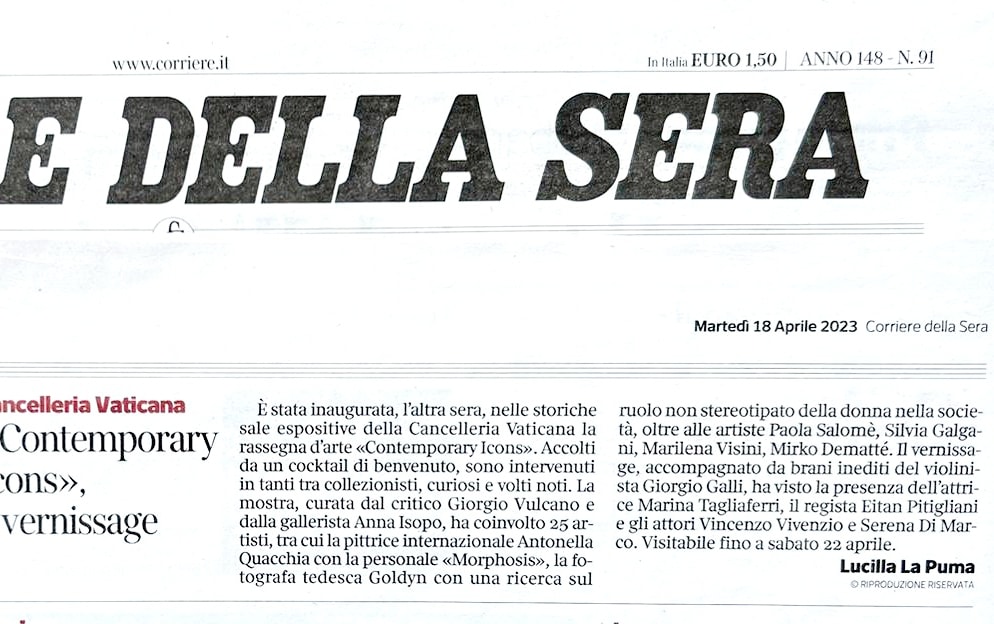
Inside the Palazzo della Cancelleria Vaticana — a space where power, image, and belief have sedimented over centuries — this work enters not quietly, but in friction.
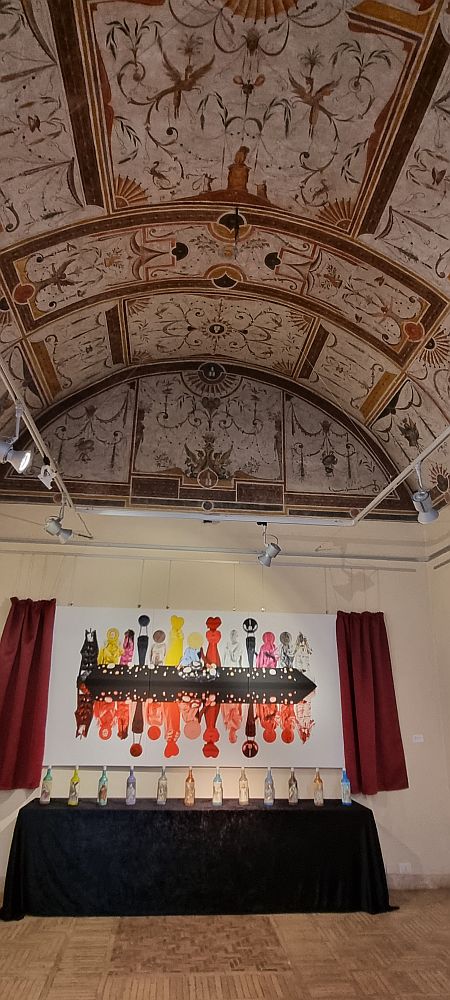
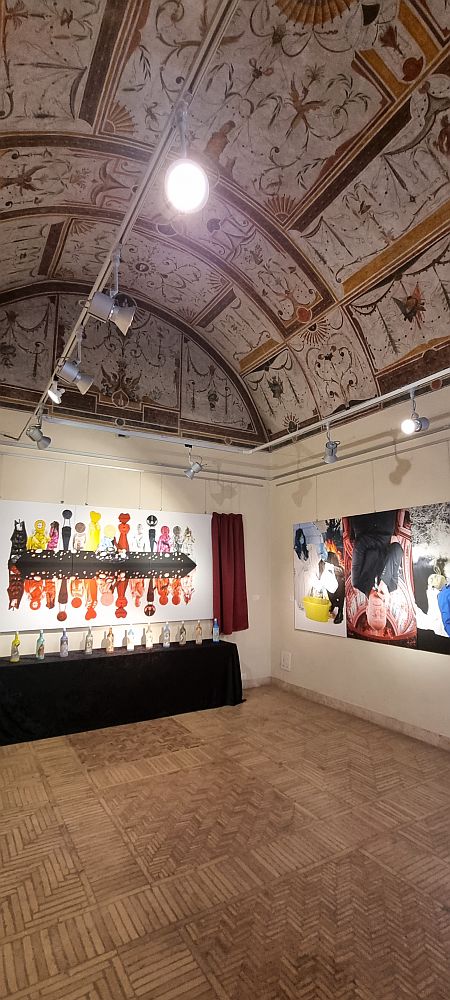
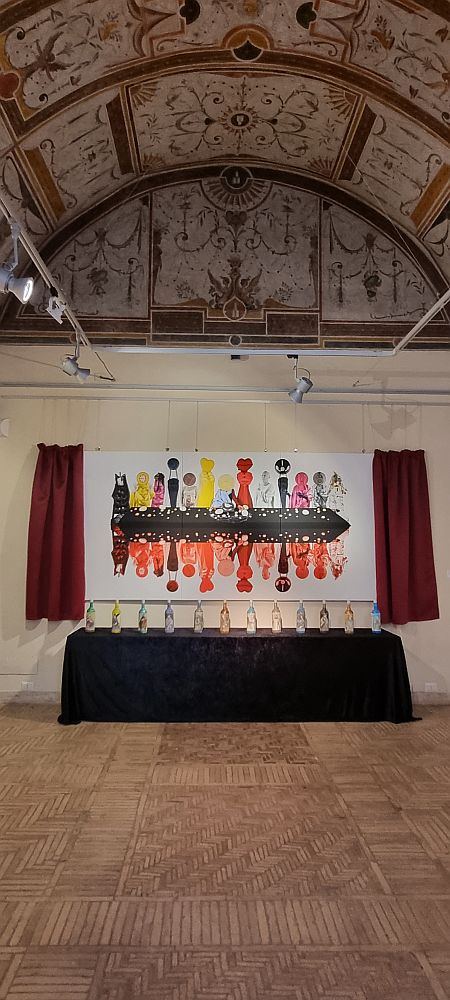
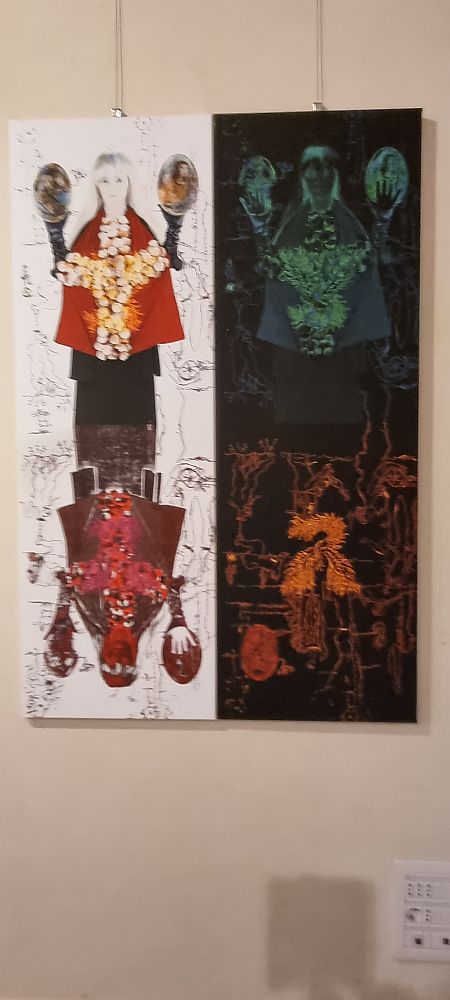
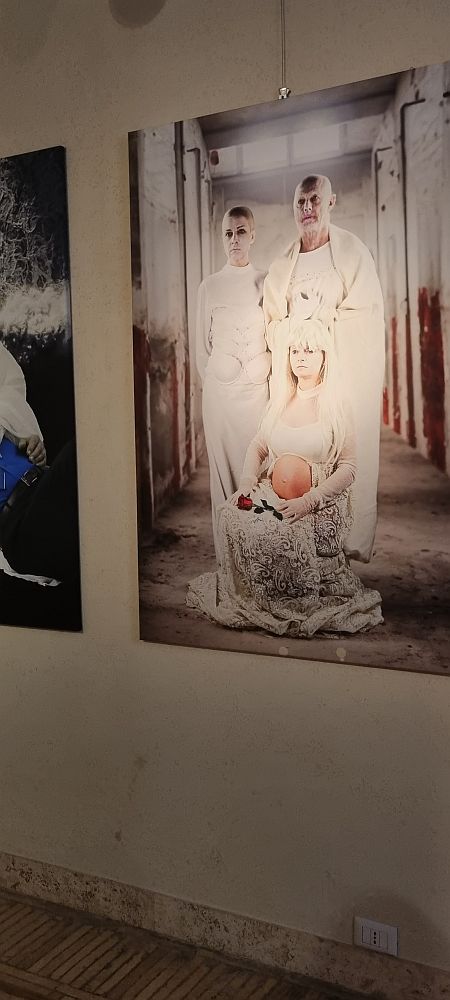
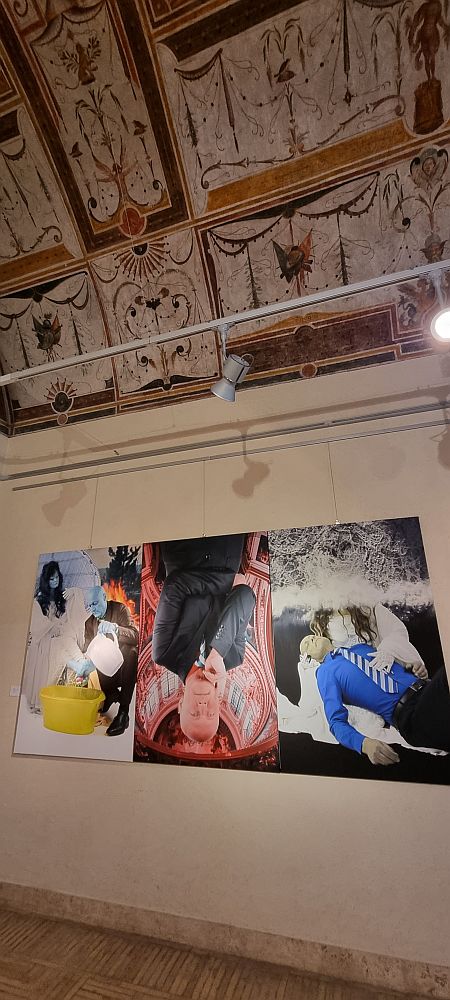
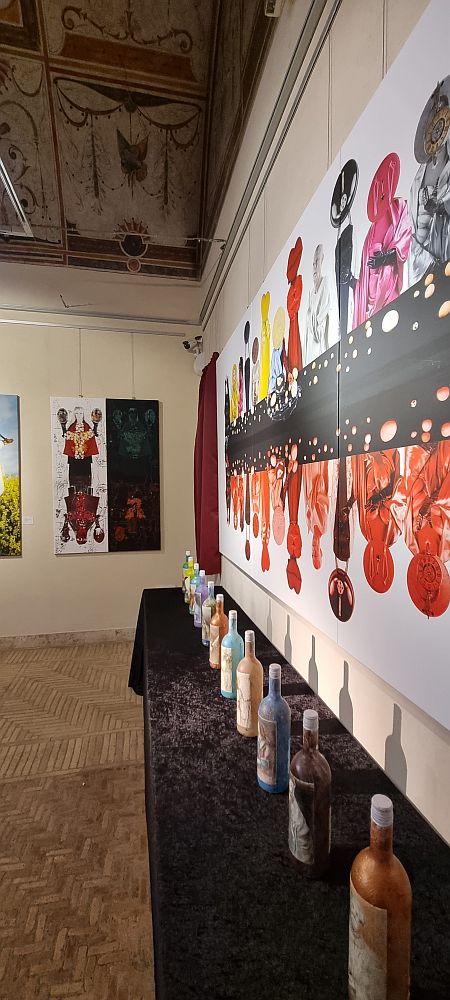
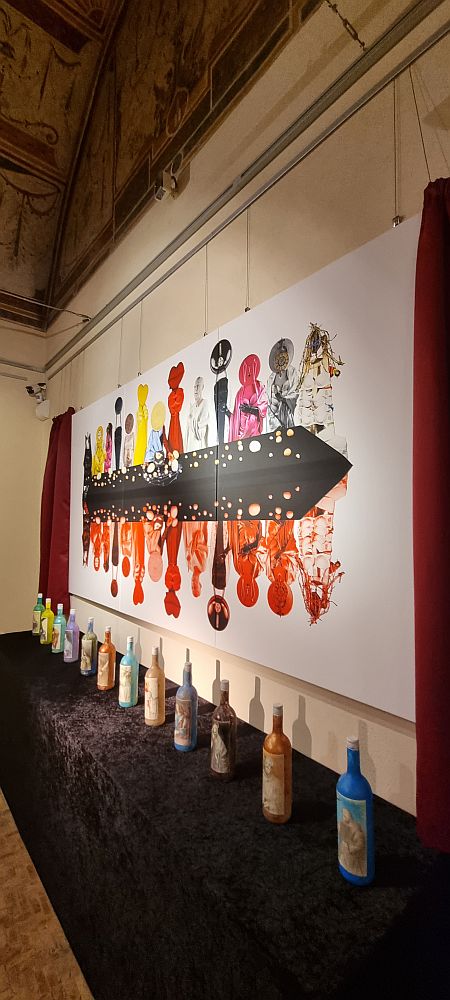
A copy of Leonardo da Vinci’s “Last Supper” resides here, carrying the weight of repetition, authority, and canon. Against this backdrop, the artist stages a rupture: the apostles are displaced, replaced by female presences — apostelines — bodies that history has excluded, voices that persist beyond erasure.
This is not reinterpretation. It is a shift in authorship.
The work unfolds as a confrontation across time — a silent yet insistent dialogue between Leonardo’s constructed order and a contemporary act of re-inscription. The sacred composition fractures and re-forms, opening a space where gender, ritual, and authority are no longer fixed.
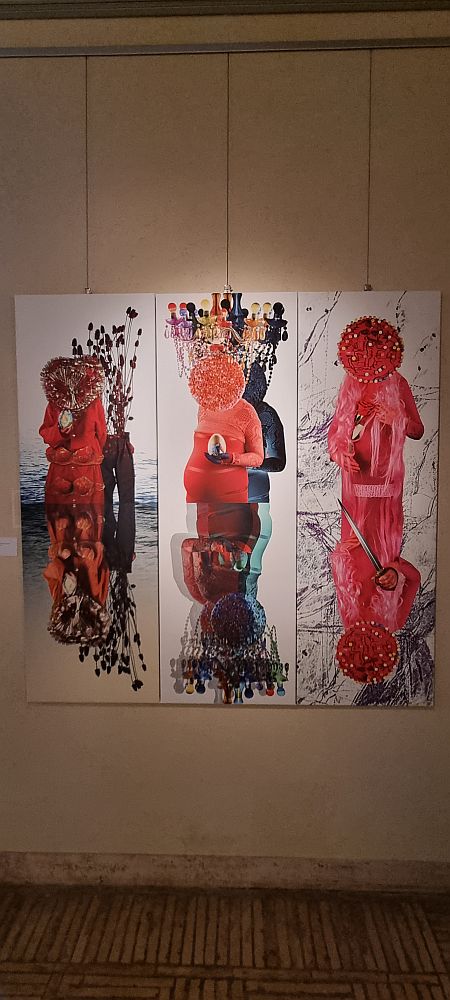
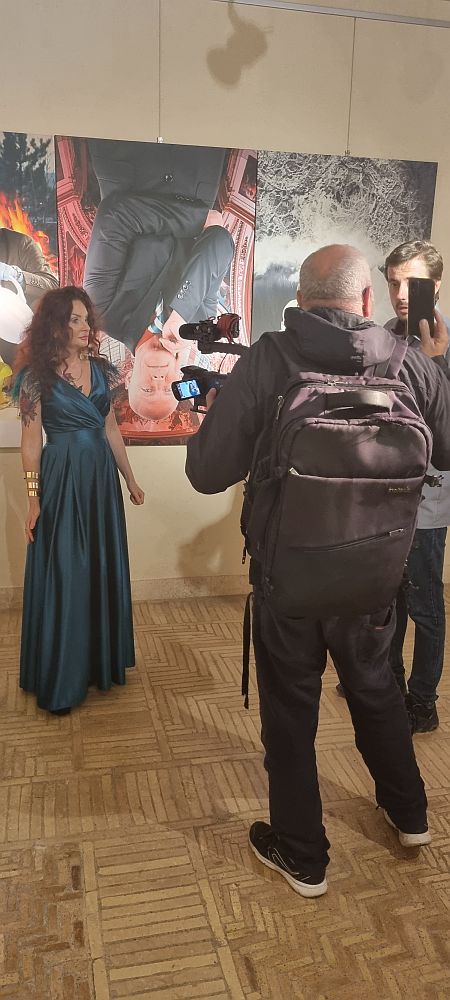
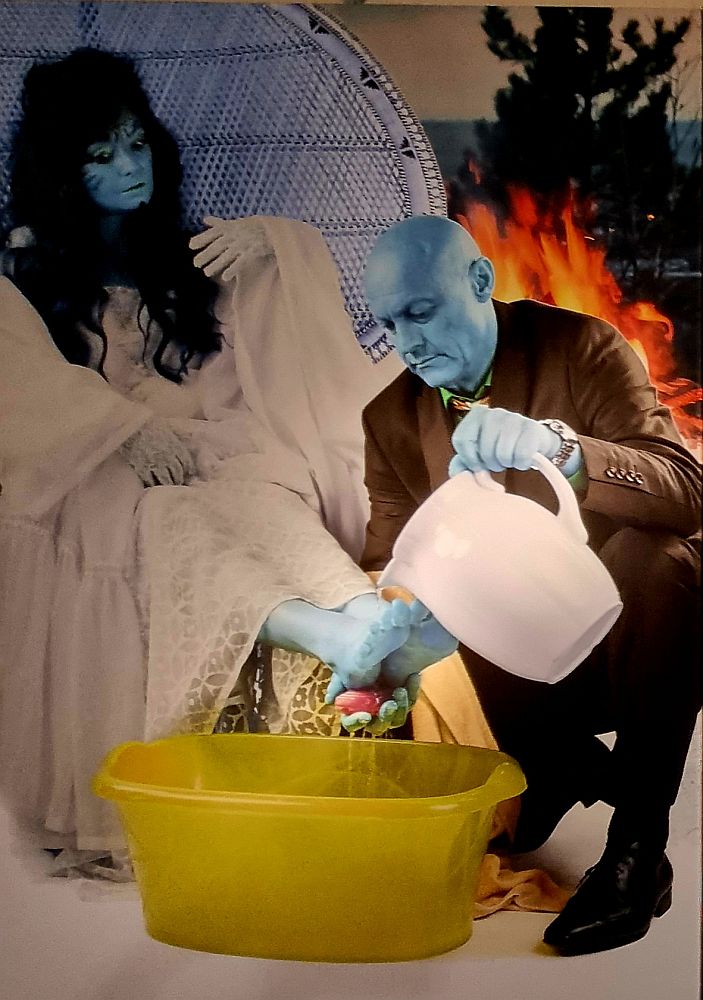
Simultaneously, the series “Maria Magdalena” inhabits this Vatican context with acute resonance. In 2016, Pope Francis formally recognized Mary Magdalene as “Apostle of the Apostles.” What was once marginalized is here centered, expanded, and embodied.
Within the Cancelleria — a site bound to the Vatican’s historical and symbolic architecture — the work becomes inseparable from its location. The space itself speaks: of canon and control, of visibility and exclusion, of the fragile construction of truth.
This exhibition does not seek resolution.
It operates in tension — between reverence and disruption, history and presence, image and body — insisting that what has been seen can be undone, and what has been silenced can return.